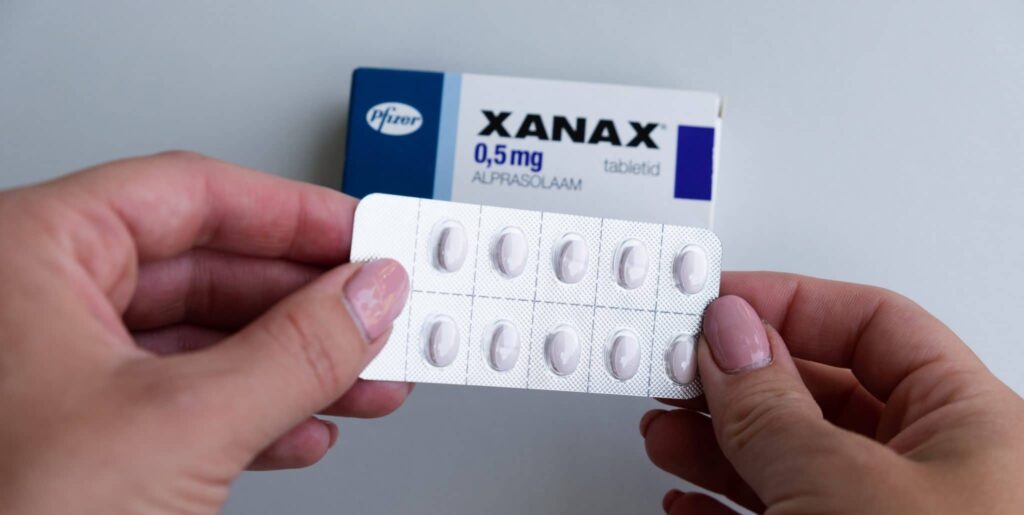
Yes, Xanax (alprazolam) can be addictive.
It belongs to a class of medications called benzodiazepines, which work by calming the nervous system. While effective for short-term relief of anxiety and panic disorders, Xanax has a high potential for dependence—especially when used for long periods, in high doses, or without medical supervision.
Over time, the body can build tolerance, meaning higher doses are needed to achieve the same effect. This can lead to physical and psychological dependence. If someone stops taking Xanax suddenly after regular use, they may experience withdrawal symptoms such as anxiety, insomnia, irritability, or in severe cases, seizures.
Because of these risks, Xanax should only be used exactly as prescribed by a healthcare professional. If there are concerns about dependence or misuse, it’s important to seek medical advice for safe guidance and support..
Why Is Xanax Addictive?
Xanax (alprazolam) can be addictive because of how it affects the brain’s chemistry. It enhances the activity of a neurotransmitter called GABA, which produces a calming and sedative effect. This rapid relief from anxiety or stress can make the drug psychologically reinforcing, encouraging repeated use.
Over time, the brain begins to rely on Xanax to maintain this sense of calm. As tolerance builds, higher doses may be needed to achieve the same effect, increasing the risk of dependence. The body can also become physically dependent, meaning that stopping the medication suddenly may trigger withdrawal symptoms such as anxiety, insomnia, irritability, and in severe cases, seizures.
Additionally, because Xanax works quickly, it can create a cycle of short-term relief followed by a return of symptoms, leading some individuals to use it more frequently than prescribed. For these reasons, it’s important to use Xanax only under medical supervision and according to a doctor’s instructions.
Who Is at Risk?
Individuals who misuse it (taking higher doses or without a prescription)
How to Minimize Addiction Risk?
Reducing the risk of Xanax (alprazolam) addiction starts with responsible, medically supervised use. Always follow your doctor’s instructions carefully and take the medication only as prescribed—never increase the dose or frequency on your own.
It’s generally recommended for short-term use, as prolonged use can increase the likelihood of dependence. Regular check-ins with your healthcare provider can help monitor your progress and adjust treatment if needed.
Avoid mixing Xanax with alcohol or other sedatives, as this can increase both the risk of addiction and serious side effects. If you no longer need the medication, do not stop suddenly—your doctor can guide you through a gradual taper to prevent withdrawal symptoms.
In addition, consider combining medication with non-drug approaches such as therapy, stress management techniques, and lifestyle changes. These strategies can help manage anxiety more sustainably while lowering the risk of dependence.